When Dental Pain May Indicate the Need for a Root Canal
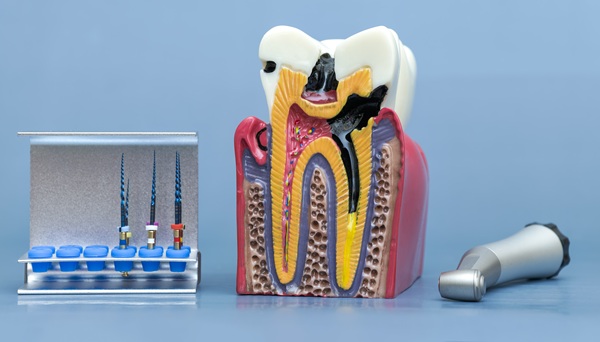
Are you experiencing dental pain? Recognizing when a root canal is required can be the difference between saving a natural tooth and needing a total extraction. If you are experiencing dental pain, understanding the following signs will help you decide when to seek professional care.
Severe and constant tooth pain
One of the most prominent indicators of internal damage is persistent, intense pain that does not resolve with over-the-counter medication. This discomfort stems from inflammation of the dental pulp, which is the soft tissue containing nerves and blood vessels. When bacteria infiltrate the pulp chamber through a cavity or crack, the resulting pressure can cause severe pain. This pain may feel like a deep, throbbing sensation that radiates into the jawbone or the ear. In many cases, the ache is random and occurs without any specific trigger.
Lingering sensitivity to temperature
While minor sensitivity is common, a lingering reaction to hot and cold temperatures is another common sign of nerve damage. If the discomfort remains for several minutes, the pulp is likely damaged beyond the point of self-repair. Prolonged dental pain suggests that the nerve is either dying or in irreversible pulpitis.
Gum swelling and tenderness
Inflammation that spreads from the tooth to the surrounding gingival tissue often indicates an active infection. The gums may appear red and swollen, or feel tender to the touch. This swelling occurs because the body is attempting to flush out bacteria that have escaped the root tip and entered the surrounding bone, leading to pressure in the jaw. Without immediate treatment, this localized swelling can progress into a systemic issue, affecting the patient’s overall health.
Tooth discoloration or darkening
When combined with dental pain, a change in the color of a single tooth is a visual indicator of internal tissue necrosis. When the pulp dies, the tooth no longer has blood flow, and the internal structure begins to decay. As a result, the enamel takes on a grayish, dark yellow, or blackish hue. This discoloration is not a surface stain and cannot be removed with whitening treatments.
Dental abscess
An abscess represents a more advanced stage of infection, in which a pocket of pus forms at the end of the root. This serious condition requires immediate clinical attention to prevent bone loss or the spread of the infection to other parts of the body. There are several specific physical signs associated with a dental abscess:
- A persistent, pimple-like bump on the gums
- A foul or bitter taste in the mouth
- Chronic bad breath (halitosis)
- Visibly swollen lymph nodes in the neck or under the jaw
- A feeling of heat or warmth in the gum tissue
- Difficulty swallowing or opening the mouth fully
Each of these signs suggests that the infection is active and potentially dangerous. Immediate diagnosis and root canal treatment can remove the source of the bacteria and protect the patient from long-term damage.
Schedule an appointment today
If you notice any of these warning signs, do not ignore them. A root canal is a routine procedure designed to eliminate pain and restore your oral health. Contact Balmoral Dental Center today to schedule an exam at our Huntsville office and find relief.
Request an appointment here: https://balmoraldentalcenter.com or call Balmoral Dental Center at (256) 429-3870 for an appointment in our Huntsville office.
Check out what others are saying about our dental services on Yelp: Root Canal in Huntsville, AL.
Related Posts
Root canal therapy can treat and preserve natural teeth affected by deep tooth decay, infection, inflammation, or traumatic injury. The treatment focuses on removing the compromised tissue within the tooth, protecting surrounding teeth, and maintaining long-term oral health. That way, patients can avoid having to go through the trouble of getting tooth replacements that require…
A root canal treatment can restore a severely decayed or damaged tooth. This invasive procedure can help improve your dental health. Knowing why you need this treatment can motivate you to schedule an appointment soon. Here are the reasons to consider a root canal treatment.Gum disease, decay, or dental damage can lead to dental infection.…
A dentist might recommend root canal therapy if you have a badly damaged, decayed, or infected tooth. The procedure targets narrow openings at the roots of teeth – called canals – that contain nerve fibers and blood vessels that provide sensation and nutrients to teeth.These nerves play an important role in the development and health…
Root canal treatment is used to save a tooth when its pulp chamber has been damaged, as the blood vessels, connective tissues, and nerves in the pulp chamber are exposed to harmful irritants like bacteria and the acids that they produce. Root canal treatment involves the dentist removing the soft tissues in the pulp to…